
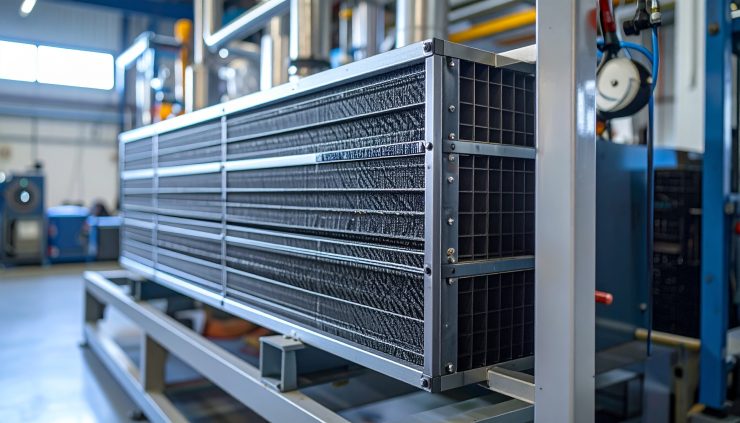
Efficient thermal transfer is at the core of many industrial and commercial applications, and plate heat exchangers are essential in achieving optimal energy conservation and system performance. At the heart of these heat exchangers lies a critical component often overlooked yet vital for seamless operation: the gasket. Understanding the role and functioning of plate heat exchanger gaskets is key to grasping how these systems maintain their efficiency, prevent leaks, and ensure reliable temperature regulation across a wide variety of processes.
Understanding the basics of plate heat exchangers
A plate heat exchanger is a highly effective device designed to transfer heat between two fluids without allowing them to mix. Unlike traditional shell-and-tube models, plate heat exchangers use a series of thin, corrugated plates stacked together. These plates create separate flow channels for the fluids, enabling heat to move efficiently from one to the other. The plates are typically manufactured from high-grade stainless steel, titanium, or other corrosion-resistant materials to withstand high pressures, temperatures, and chemically aggressive media.
Each plate is engineered with a precise pattern that promotes turbulent flow, enhancing the rate of heat transfer and minimizing the build-up of fouling substances. However, the real magic behind the system’s tight sealing and efficient operation lies in the gaskets. These specialized seals are responsible for directing the flow of fluids within the exchanger and preventing any unwanted leakage or mixing.
The role of gaskets in plate heat exchangers
Plate heat exchanger gaskets serve a dual purpose: they seal the plates against external leaks and ensure that the fluids follow the intended pathways. Every gasket is carefully positioned around the perimeter of the plate or around port openings to direct the flow into the correct channels. By isolating different fluid streams, gaskets allow the exchanger to maintain high thermal efficiency while avoiding cross-contamination, which could otherwise compromise system integrity or product quality.
These gaskets must perform under a range of demanding conditions. They endure fluctuations in temperature and pressure, chemical exposure, mechanical stresses from tightening bolts or clamps, and the continuous expansion and contraction that occurs during operation cycles. Therefore, their durability, flexibility, and chemical resistance are essential qualities that dictate the overall reliability of the heat exchanger.
Materials used in plate heat exchanger gaskets
The choice of gasket material significantly affects the performance and lifespan of a plate heat exchanger. Depending on the working environment, gaskets can be manufactured from various elastomers such as Nitrile Butadiene Rubber (NBR), Ethylene Propylene Diene Monomer (EPDM), Fluoroelastomer (FKM), or Silicone. Each material offers specific advantages: for instance, NBR gaskets are well-suited for oil-based fluids and moderate temperatures, while EPDM provides excellent resistance against water, steam, and many aggressive chemicals.
In high-temperature or highly corrosive applications, specialized compounds such as Viton or even more advanced perfluoroelastomers may be chosen. Selecting the correct gasket composition ensures compatibility with the process fluids, reduces maintenance intervals, and prevents premature failures that could lead to costly downtime or system damage.
How a plate heat exchanger gasket functions
When the plate heat exchanger is assembled, each plate is fitted with a gasket that precisely matches its contour. As the plates are compressed together within a frame, the gaskets create sealed channels through which the fluids flow. The arrangement ensures that hot and cold fluids move in alternating channels, separated by thin plates that facilitate efficient heat transfer while preventing direct contact between the fluids.
The gaskets also incorporate port sealing features to allow fluids to enter and exit at specific points without leaking across adjacent flow paths. They are designed with carefully calculated compression characteristics, ensuring that the right amount of force provides a leak-free seal without damaging the plates or the gasket material itself. This meticulous engineering allows plate heat exchangers to operate at high efficiencies across a broad range of industries, including HVAC systems, food processing, power generation, and chemical manufacturing.
Common issues and maintenance of plate heat exchanger gaskets
Despite their robust design, gaskets are consumable components that will eventually degrade over time. Factors such as thermal cycling, chemical attack, mechanical fatigue, and improper assembly can all contribute to gasket wear and failure. Signs of gasket problems may include external leaks, reduced heat transfer efficiency, or cross-contamination between fluids.
Regular inspection and maintenance are crucial to prolonging the service life of plate heat exchangers. This often involves visual examination for cracks, swelling, or hardening of the gasket material. In some cases, gasket rejuvenation techniques can be applied, but more often, the gaskets will need replacement to restore optimal performance. Proper cleaning, adherence to tightening specifications, and using OEM or high-quality replacement gaskets are best practices that minimize the risk of unexpected breakdowns.
Additionally, many modern heat exchangers feature glued or clip-on gaskets that facilitate easier maintenance. Clip-on designs allow for faster disassembly and reassembly without the need for adhesives, reducing downtime and labor costs. Nevertheless, choosing the correct gasket type and ensuring proper installation techniques remain paramount for the exchanger’s reliability.
Innovations in plate heat exchanger gasket technology
Advances in materials science and manufacturing technology continue to improve the performance and resilience of plate heat exchanger gaskets. Modern gaskets offer enhanced chemical resistance, wider temperature ranges, and better mechanical properties than earlier generations. Innovations such as multi-component gaskets, improved rubber formulations, and specialized profiles designed to optimize fluid dynamics within the exchanger have expanded the applicability of plate heat exchangers in ever more demanding environments.
Moreover, digital monitoring tools and predictive maintenance software now allow operators to track gasket performance in real-time, identifying potential issues before they escalate into system failures. These technologies contribute to more sustainable operations by extending gasket life cycles and reducing the frequency of replacements.
Why gasket selection matters for plate heat exchanger performance
Selecting the right gasket material, design, and supplier is not just a maintenance consideration; it is a strategic decision that impacts the entire operation of a heat exchanger. A mismatch between gasket properties and process conditions can lead to energy inefficiencies, increased operational costs, safety hazards, and product contamination. Conversely, well-matched gaskets ensure optimal thermal transfer efficiency, system reliability, and extended equipment life.
When choosing gaskets, factors such as fluid compatibility, temperature and pressure ratings, regulatory compliance (especially in food-grade or pharmaceutical applications), and expected maintenance cycles should be carefully evaluated. Engaging with experienced suppliers who offer expert advice and quality assurance can make a substantial difference in system performance over time.
Ultimately, while gaskets may seem like minor components compared to the complex architecture of the plate heat exchanger, their role is foundational. A deep understanding of gasket function, material science, and maintenance best practices empowers operators, engineers, and facility managers to maximize their systems’ potential and support sustainable, high-efficiency thermal management across industries.